Practical guidance on laboratory planning, fume hood safety, and casework from four decades of installations.
October 12, 2026
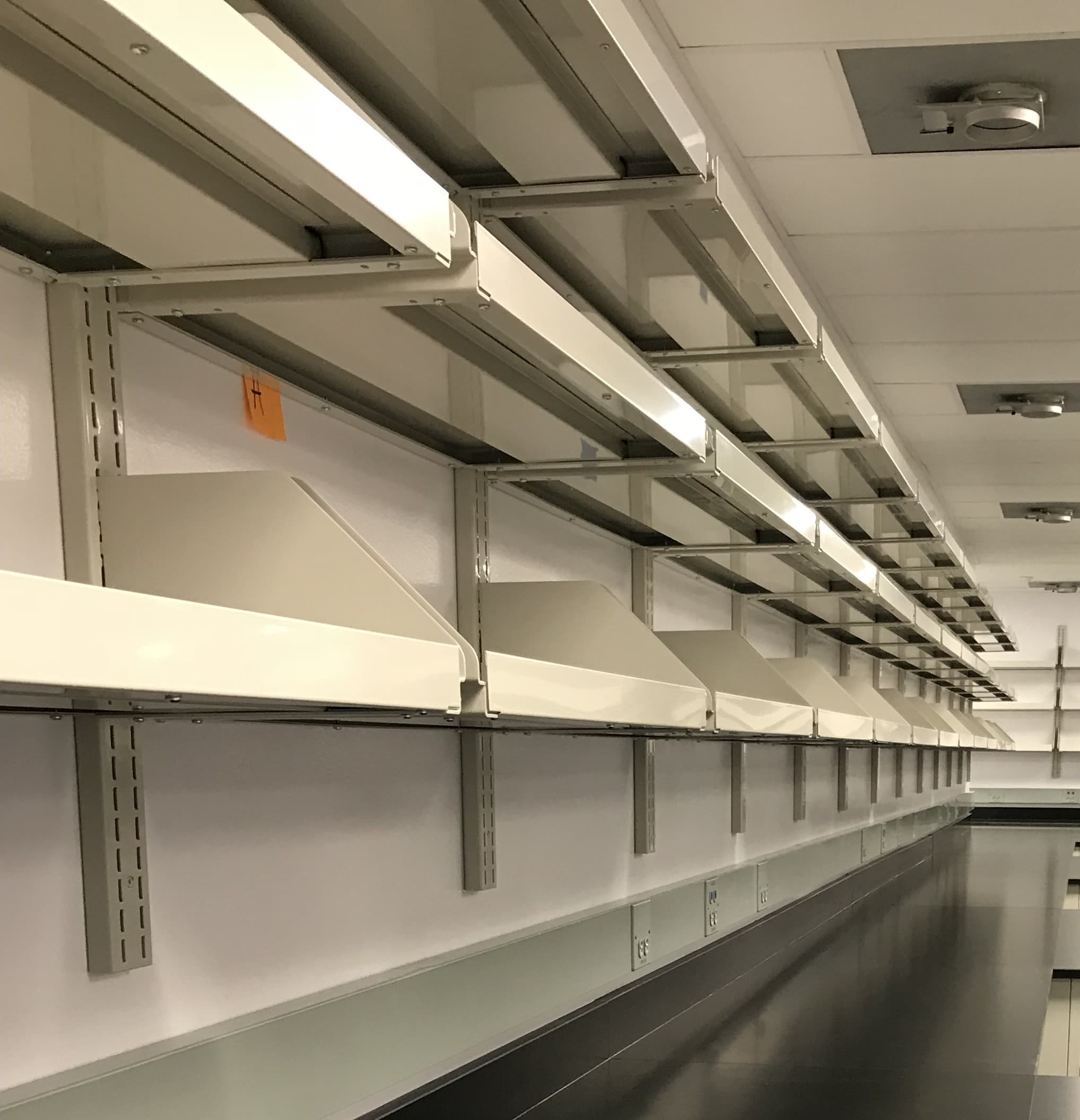
How adjustable wall shelving frees up bench space, what materials to choose, and how it compares with reagent shelving and wire shelving systems.
Read more →
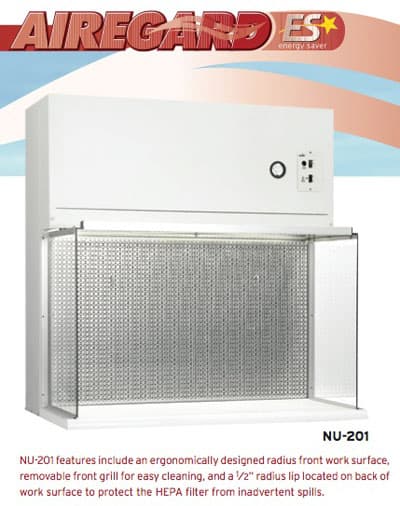
What accessories are typically specified with a biosafety cabinet, how a BSC differs from a laminar flow hood or fume hood, and how the casework and utilities around it get coordinated.
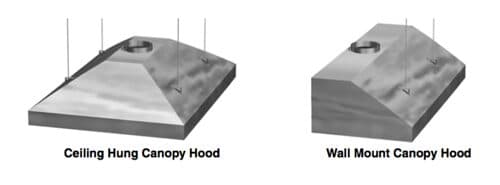
Canopy hoods capture heat, steam, and non-hazardous vapors from equipment that cannot fit in a fume hood. Here is where they work, where they do not, and how they are configured.
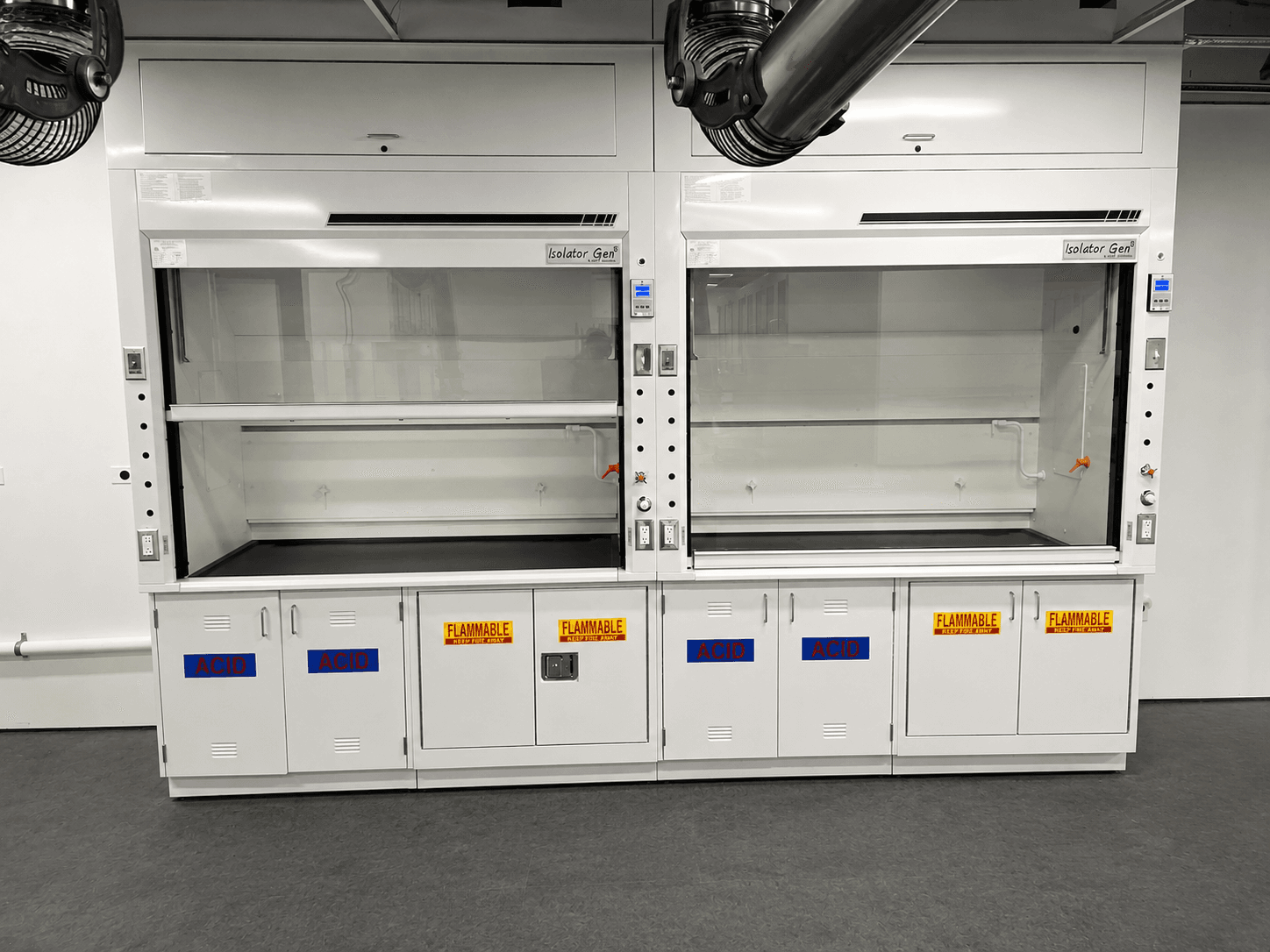
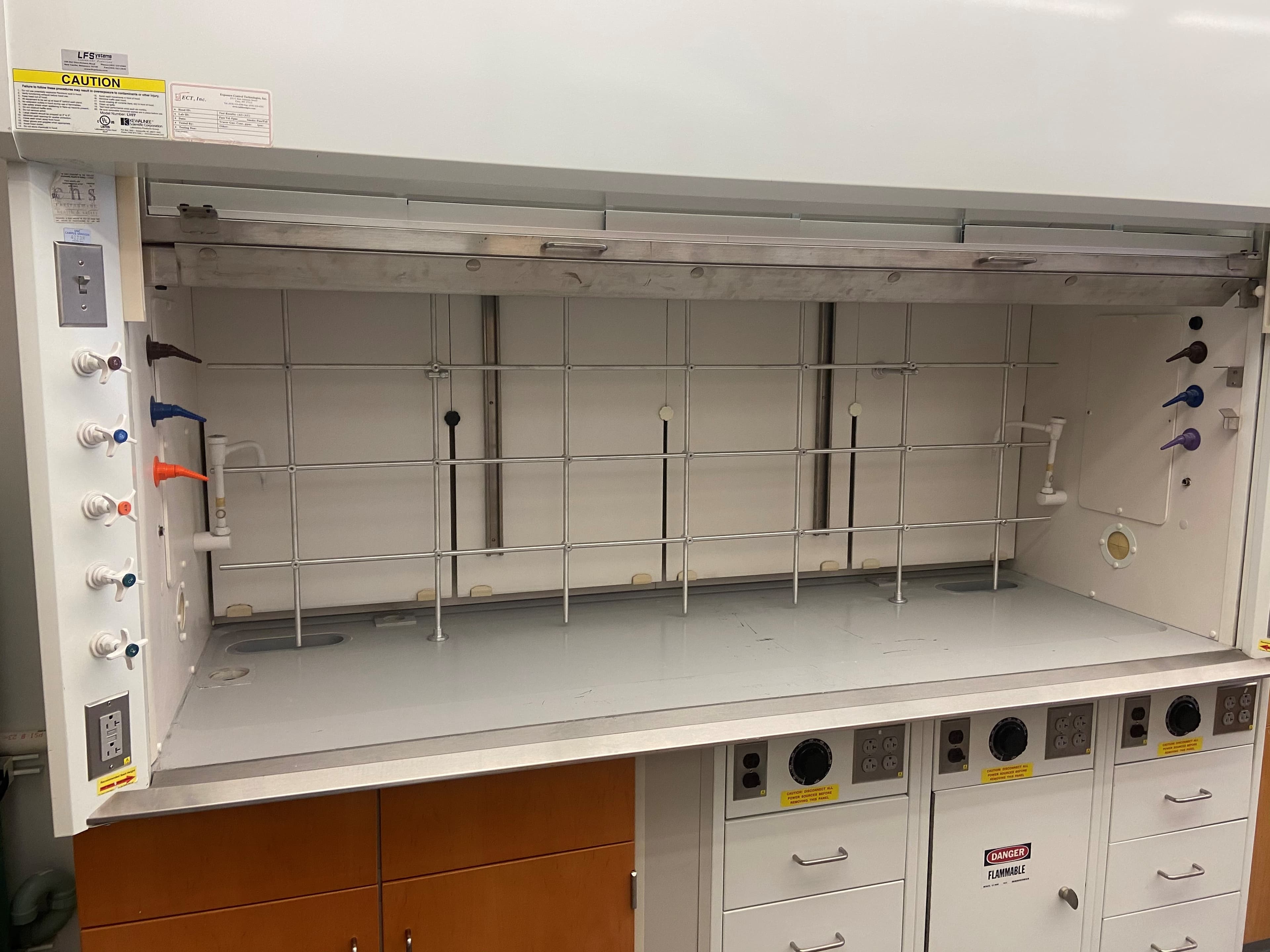
A walk through the accessories that go in, on, and under a laboratory fume hood — sash styles, service fixtures, base cabinets, work surfaces, and the safety equipment around it.
What a fume hood inspection covers, how annual testing and preventive maintenance differ, and the warning signs that mean a hood should be looked at now.
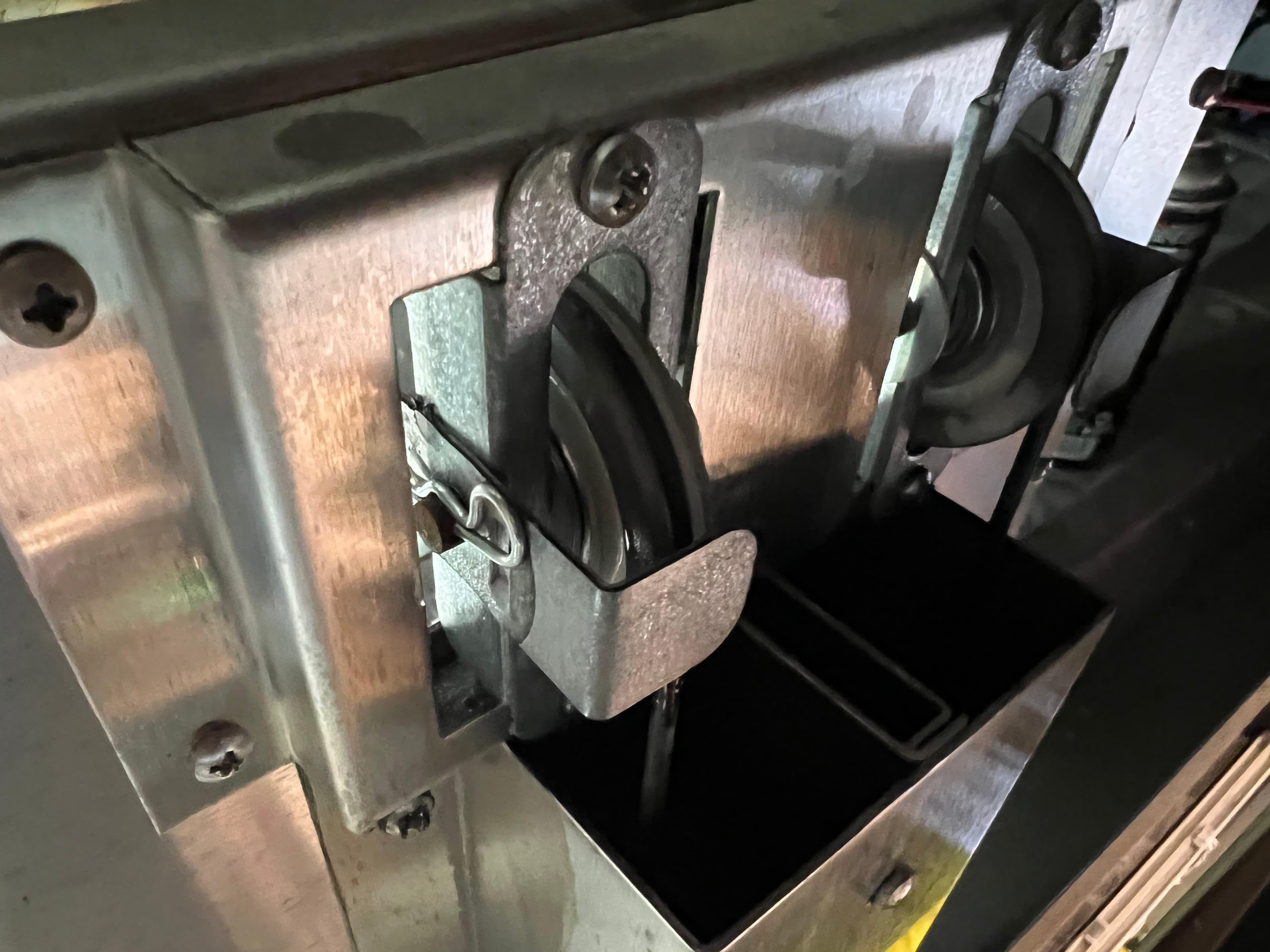
How sash position sensors work in VAV fume hood systems, the symptoms of a failing sensor or sash, and what to check before replacing parts.
Nine questions that separate a laboratory furniture supplier from a vendor that ships boxes — covering planning, installation, service, and what happens after the warranty ends.
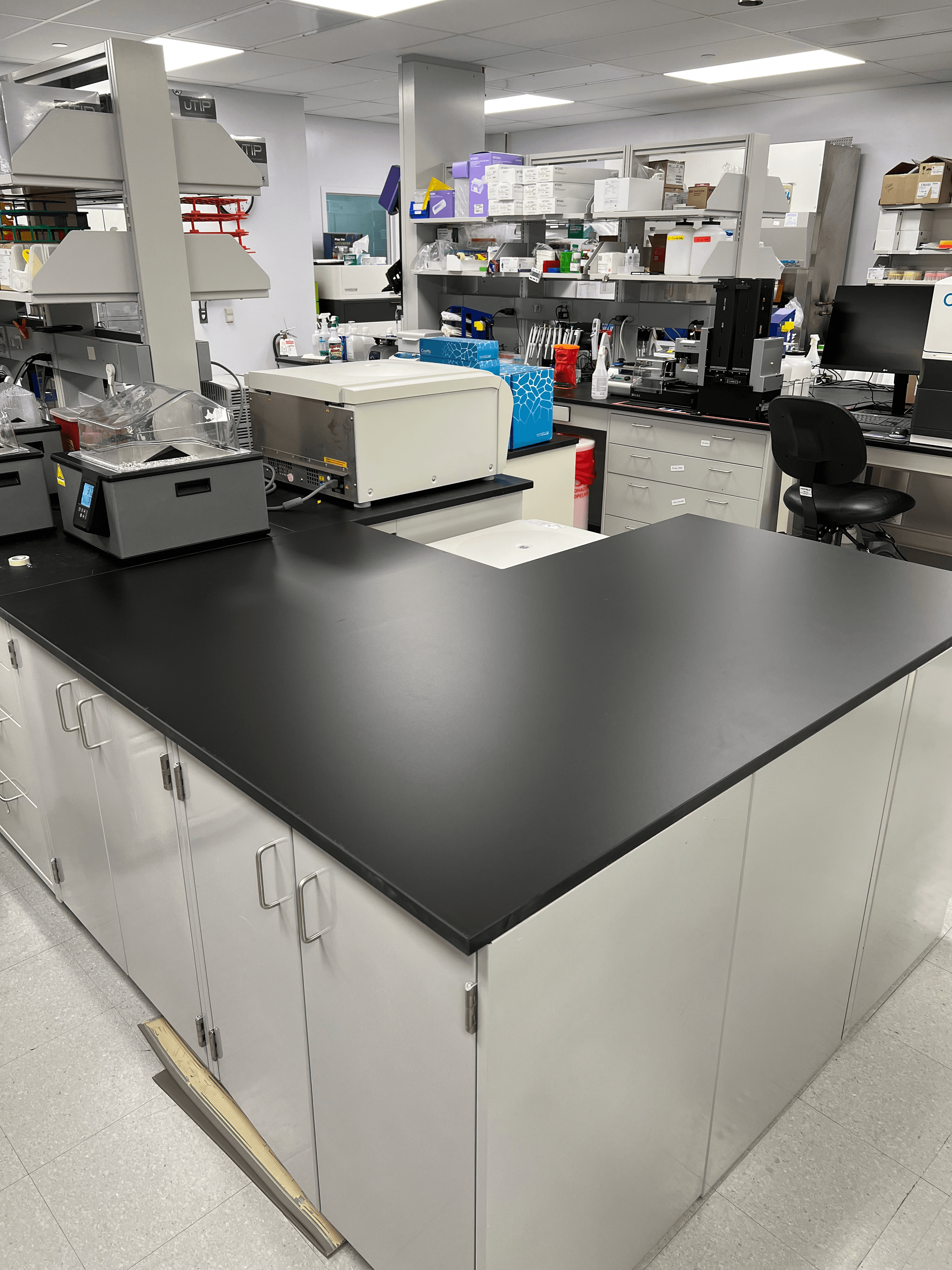
How to choose between powder-coated steel and stainless steel laboratory casework, based on chemical exposure, cleanability, and budget.
October 8, 2026
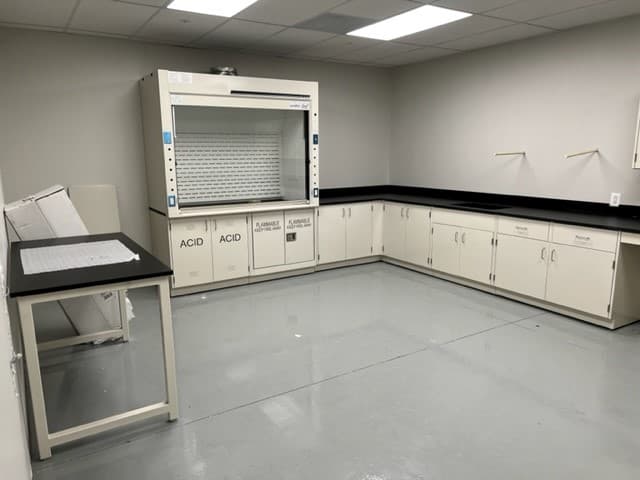
A practical guide to matching a laboratory fume hood to the work it will contain, from general-purpose bench hoods to walk-in, high-performance, radioisotope, perchloric acid, and teaching hoods.