Specialty Countertops
Specialty Countertops
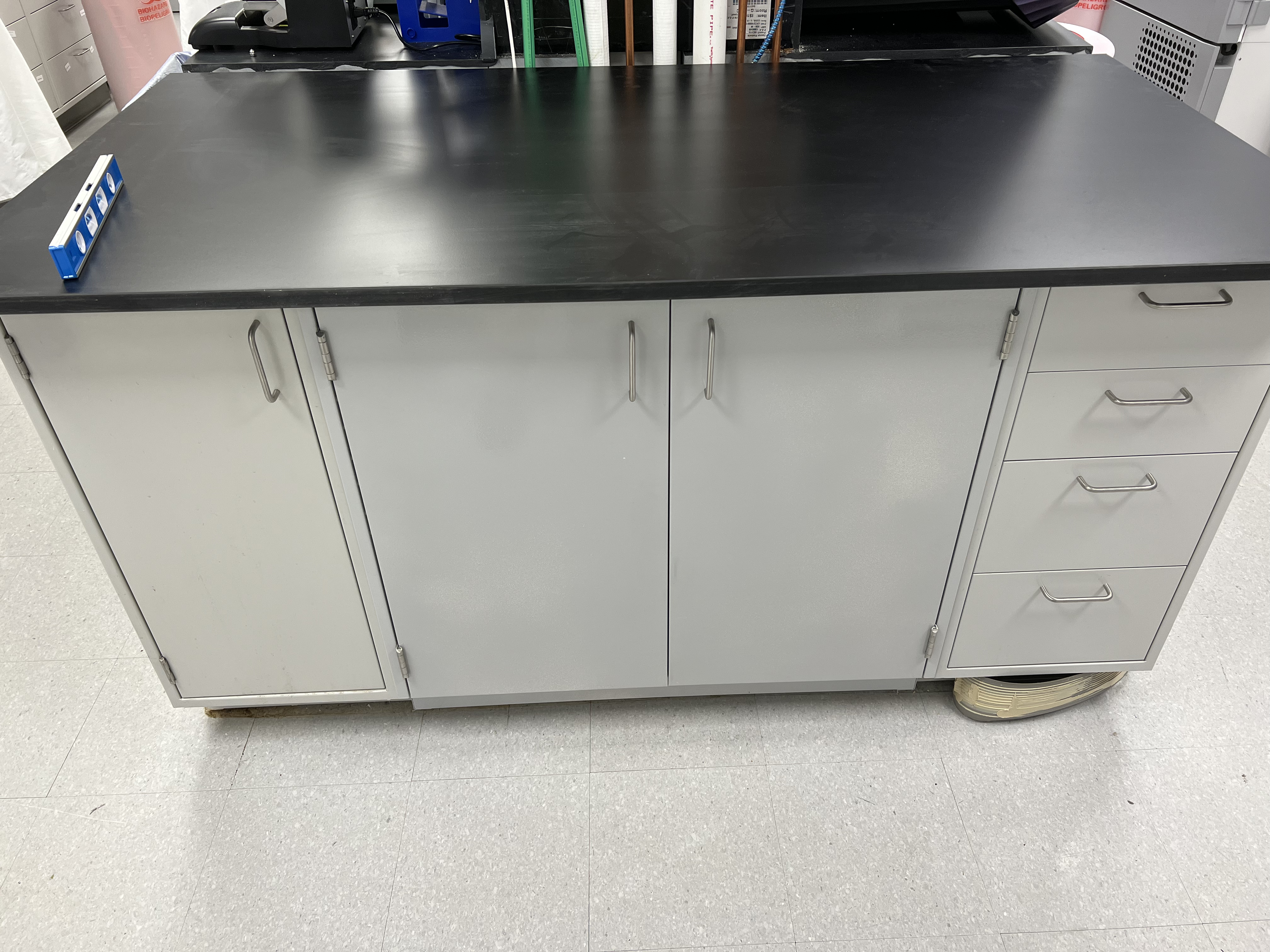
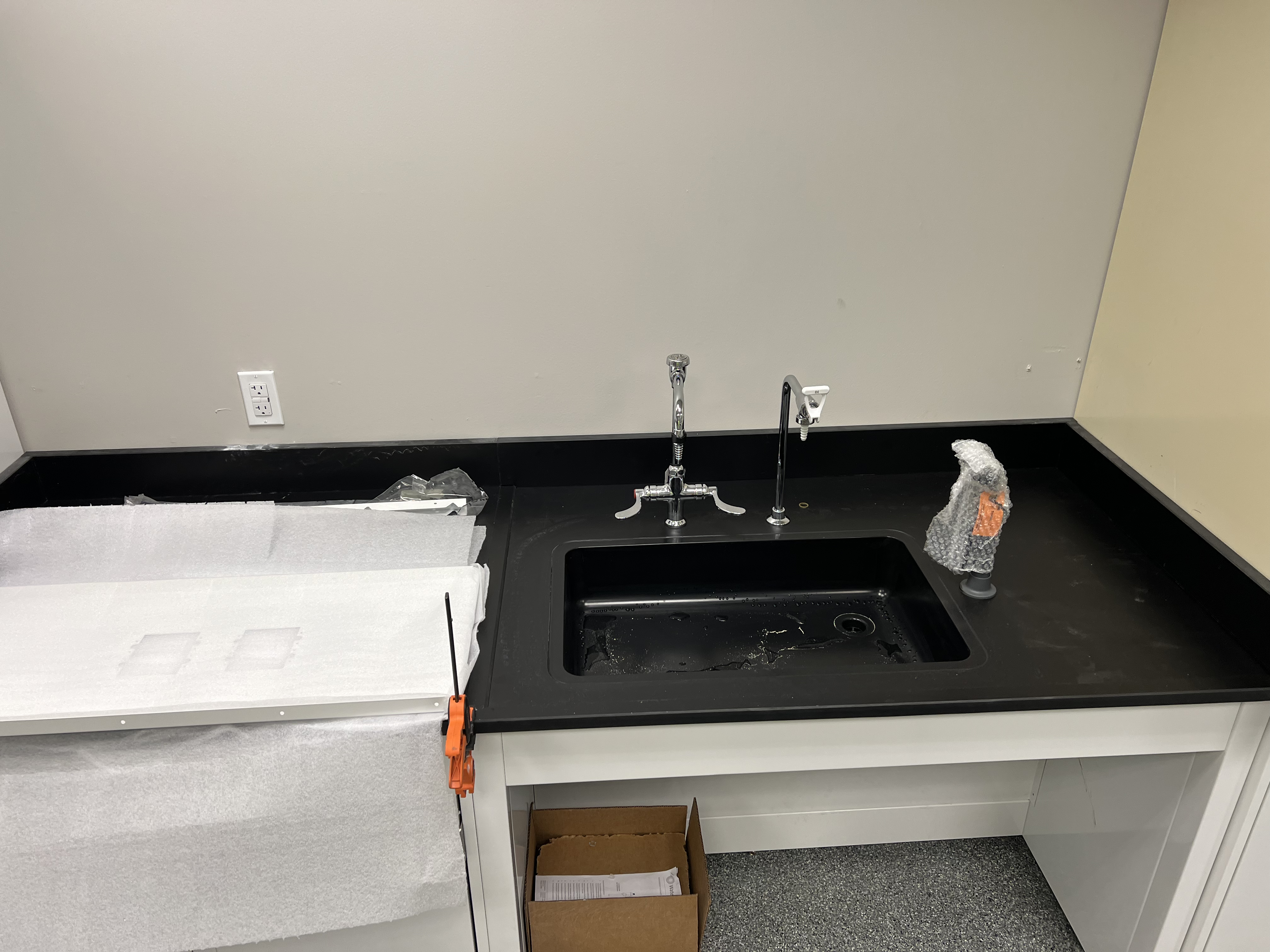
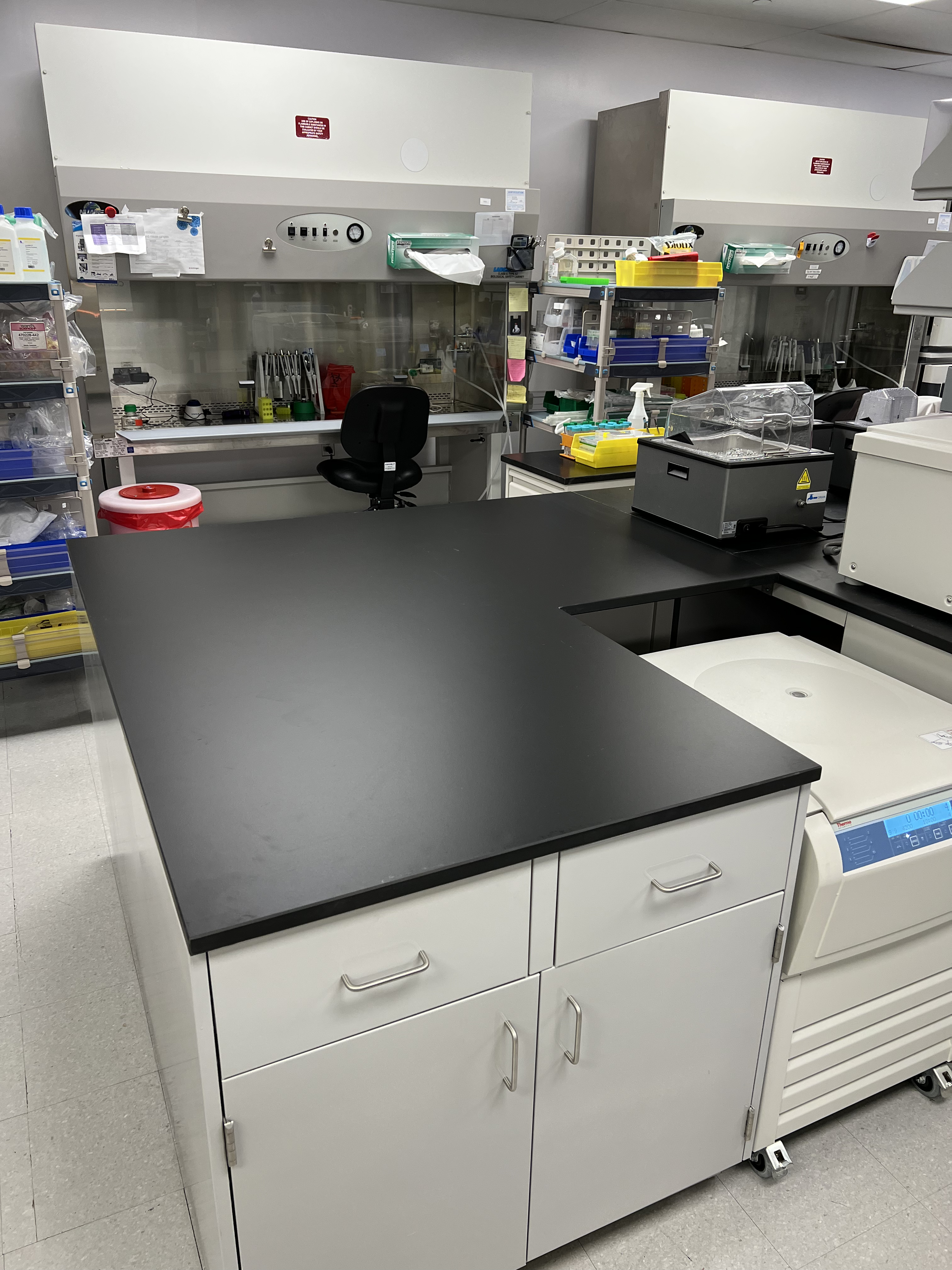
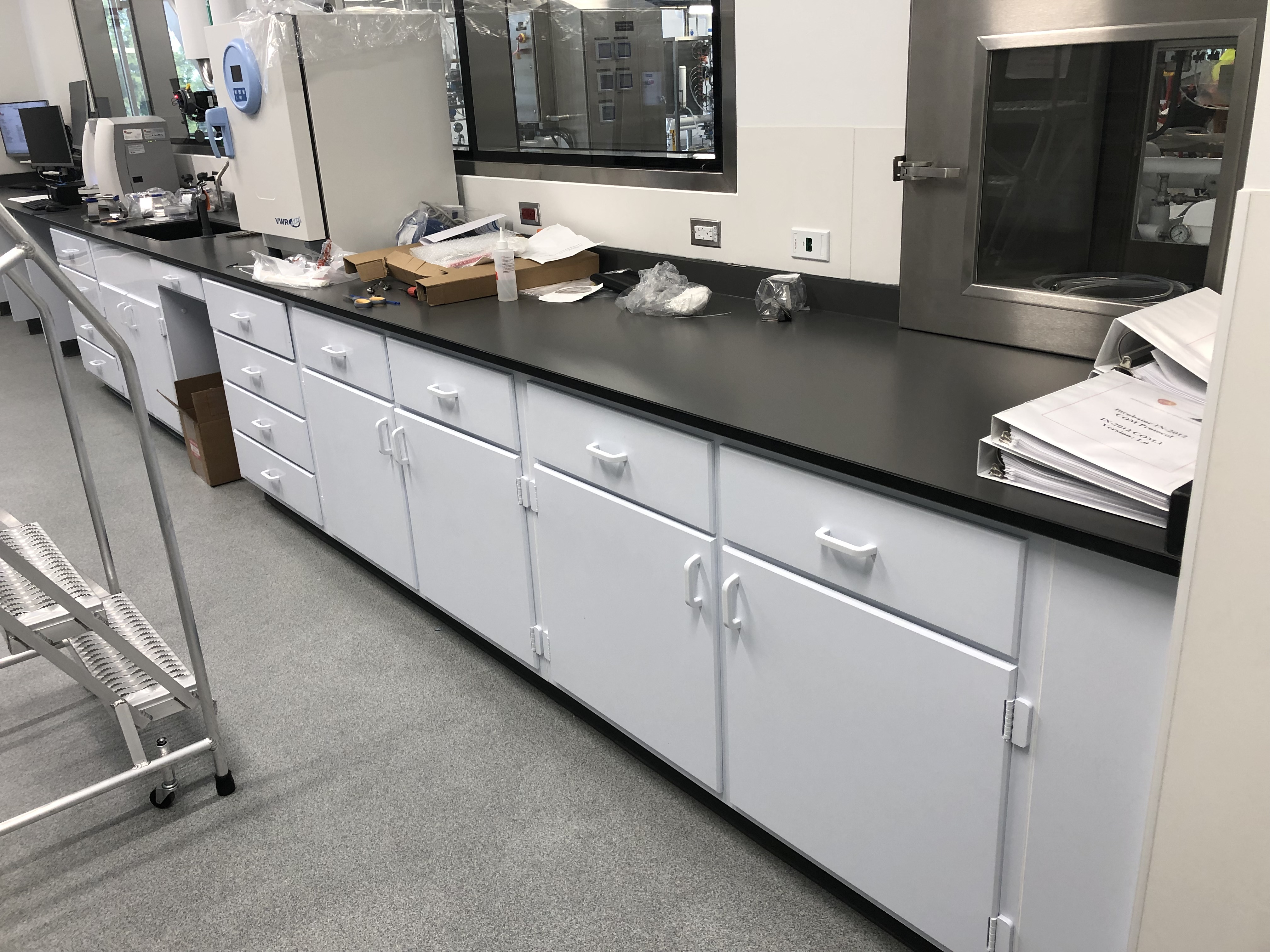
LF Systems provides specialty laboratory countertop options for applications that do not require standard epoxy resin or phenolic resin work surfaces. These surfaces can support dry lab work, teaching environments, write-up areas, corrosion-sensitive applications, trace metal labs, and specialty workstations where the countertop material needs to match the way the space is used.
Specialty countertop options may include wood countertops, plastic laminate countertops, and polypropylene countertops depending on the project requirements, chemical exposure, durability needs, contamination-control goals, and budget.
Application-Specific Work Surfaces for Specialized Lab Environments
Best used for dry labs, teaching labs, write-up areas, trace metal labs, light-duty testing spaces, mechanical workstations, and corrosion-sensitive applications.
Wood Countertops
Wood countertops, including maple and butcher block-style surfaces, are used where strength, impact resistance, and workbench-style durability are more important than chemical resistance. These surfaces are commonly selected for dry lab environments, mechanical workstations, fabrication spaces, engineering labs, and teaching areas where tools or equipment are used regularly.
Maple is a dense, tight-grain hardwood that provides a stable work surface for hands-on applications. It can be finished or sealed for added protection and integrated with lab tables, benches, and workstation layouts.
Wood countertops are best suited for dry or low-chemical-exposure environments rather than wet chemistry or corrosive chemical work.
Plastic Laminate Countertops
Plastic laminate countertops are a practical option for general-purpose lab spaces, administrative areas, write-up stations, teaching labs, and light-duty testing environments. They provide an economical work surface where extreme chemical resistance, high heat resistance, or heavy-duty exposure is not required.
Laminate surfaces are typically built with decorative surface layers bonded to a wood substrate. They are available in a wide range of colors, patterns, finishes, and edge details, making them useful when appearance, cost control, and basic functionality are the primary goals.
Plastic laminate is best used in non-critical spaces where daily usability matters, but the work surface is not expected to handle aggressive chemicals, high heat, or heavy lab abuse.
Polypropylene Countertops
Polypropylene countertops are used in laboratories where corrosion resistance, chemical compatibility, and contamination control are major concerns. Because polypropylene is non-metallic and resistant to many acids, bases, and corrosive chemicals, it can be a strong option for trace metal labs, environmental testing labs, acid handling areas, and metal-sensitive analytical spaces.
In trace metal applications, material selection can directly affect the testing environment. Polypropylene countertops can help reduce the risk of metal contribution from the work surface while supporting cleanability and chemical durability.
Polypropylene should be reviewed based on the chemicals being used, temperature exposure, cleaning requirements, fixture integration, and the broader lab system.