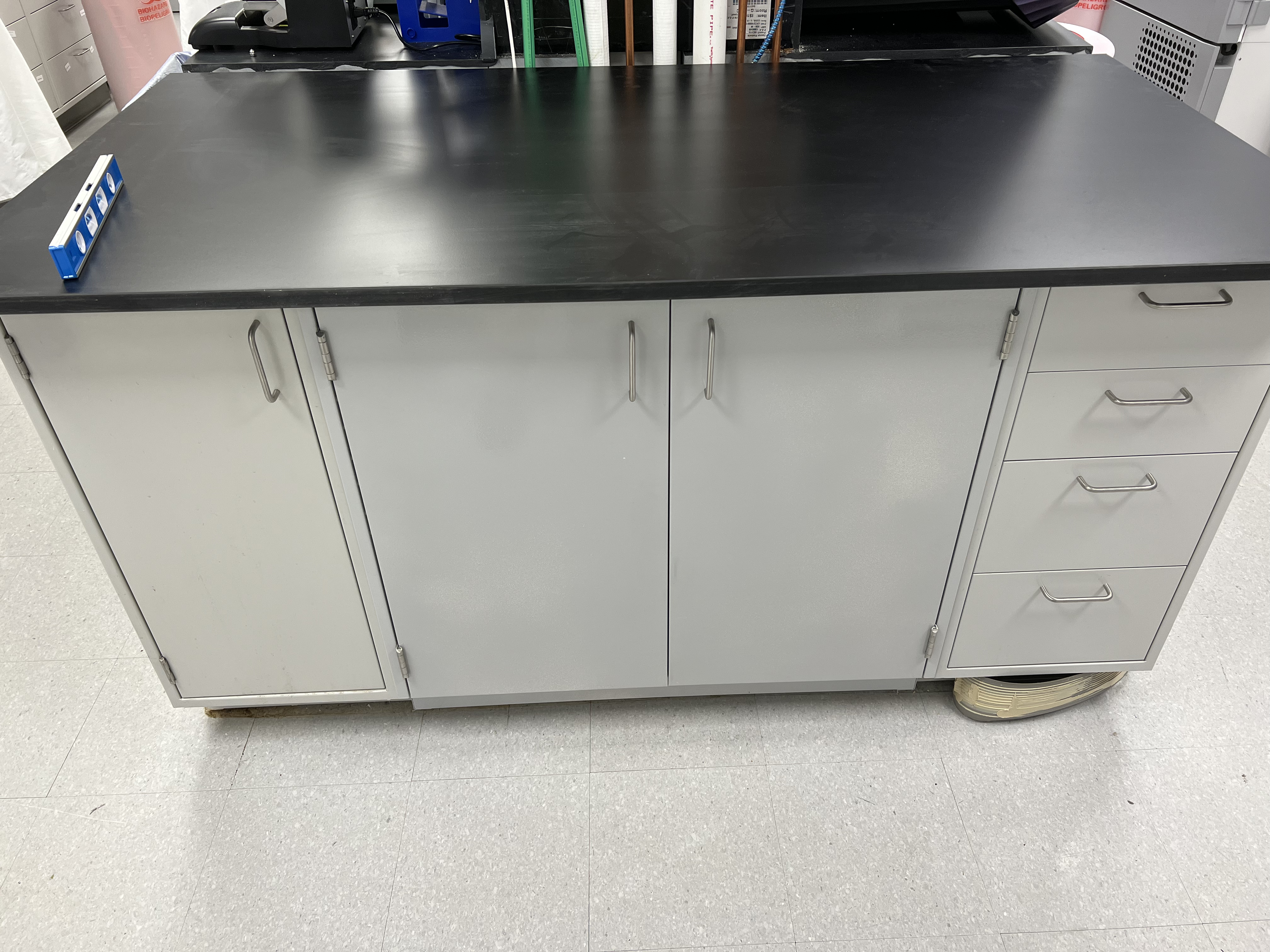
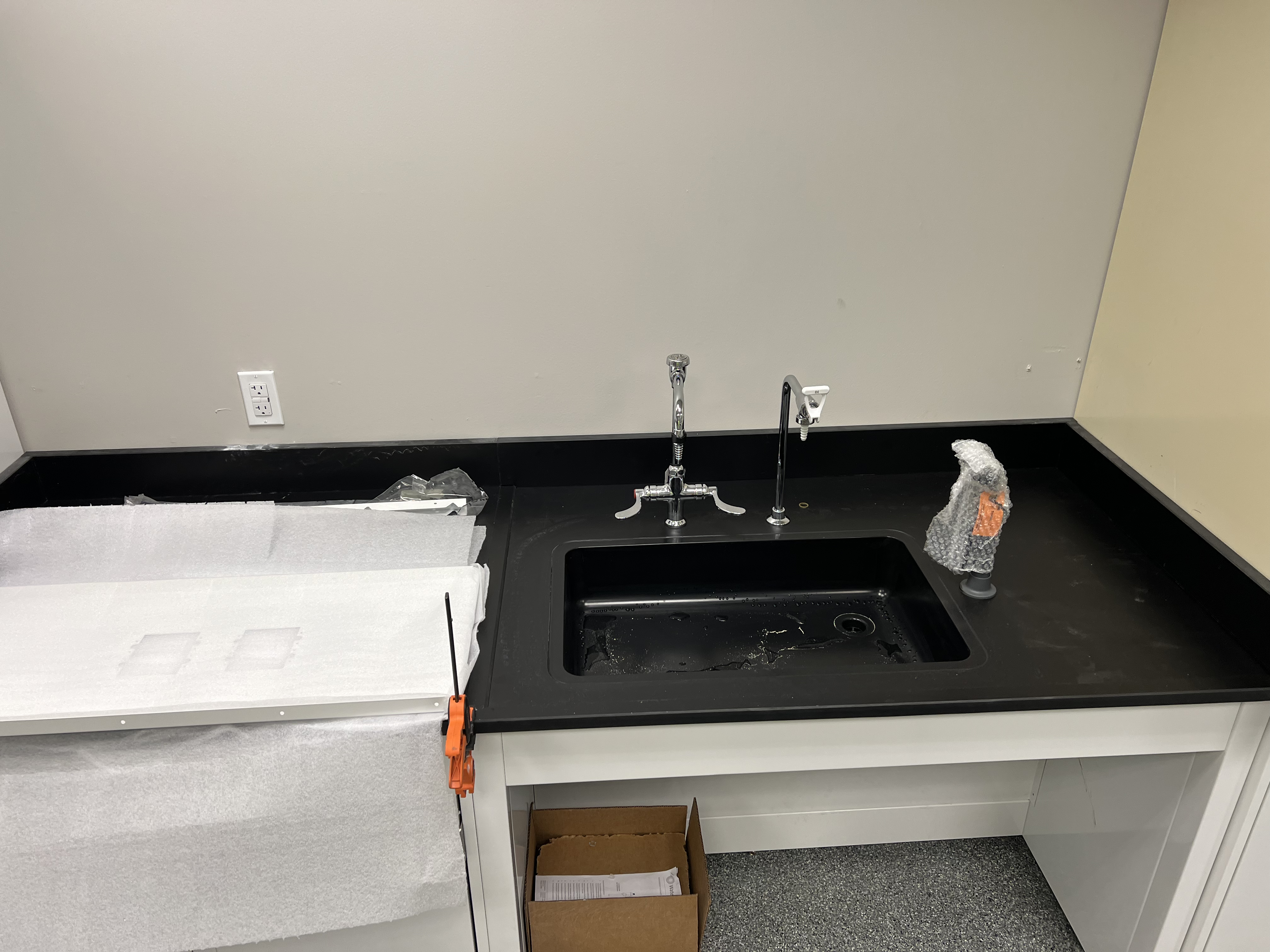
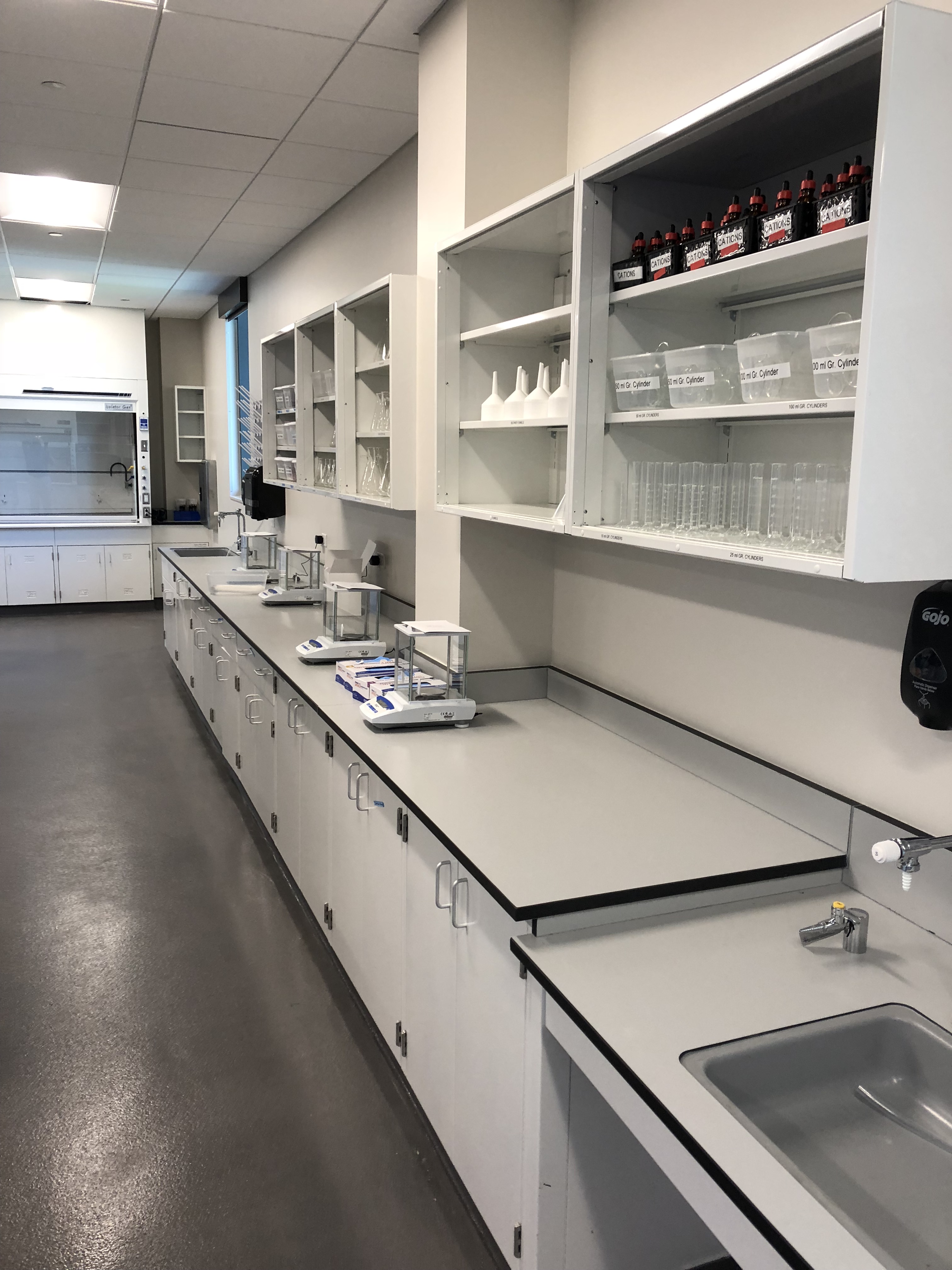
Phenolic Resin Laboratory Countertops
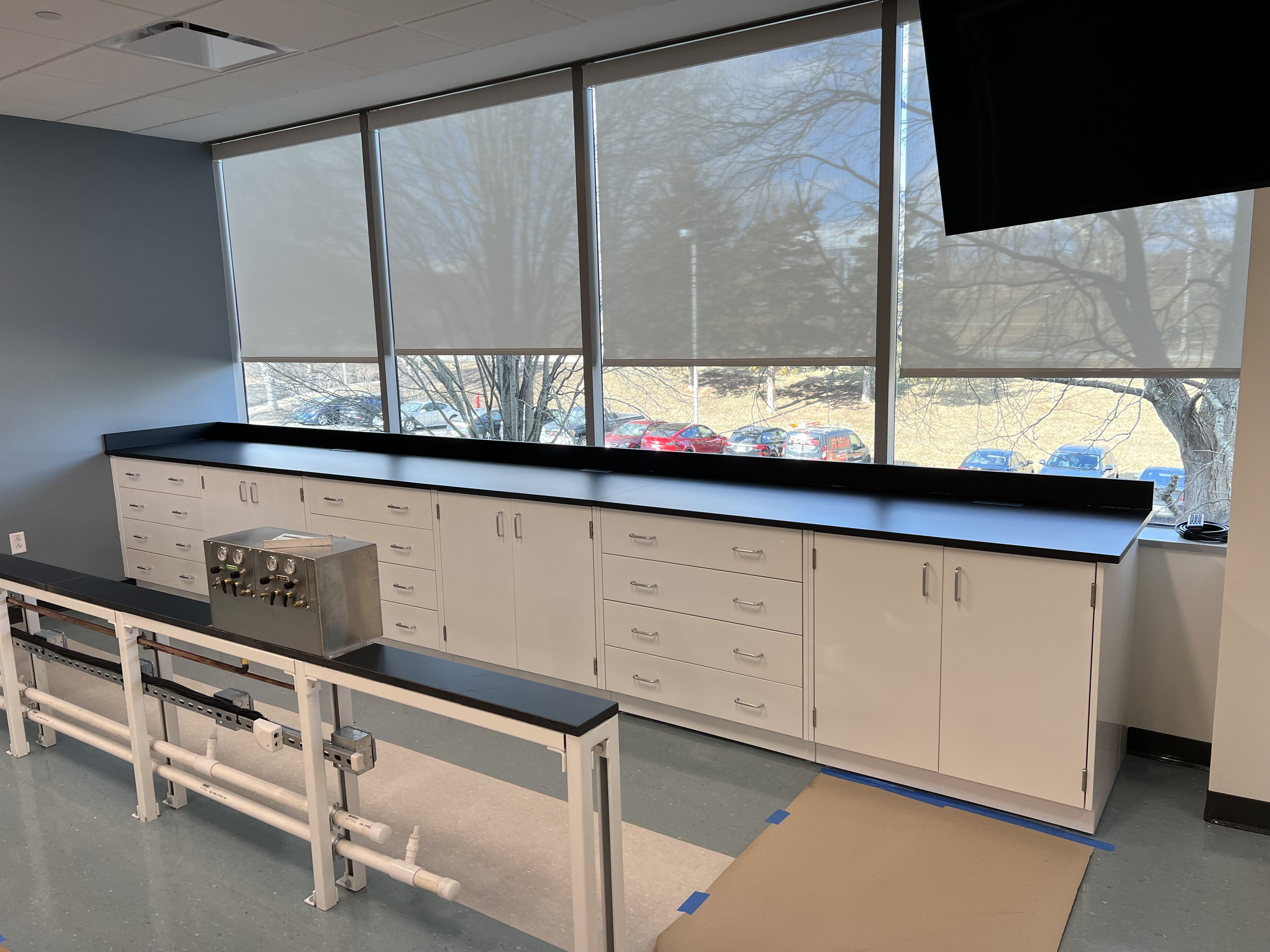
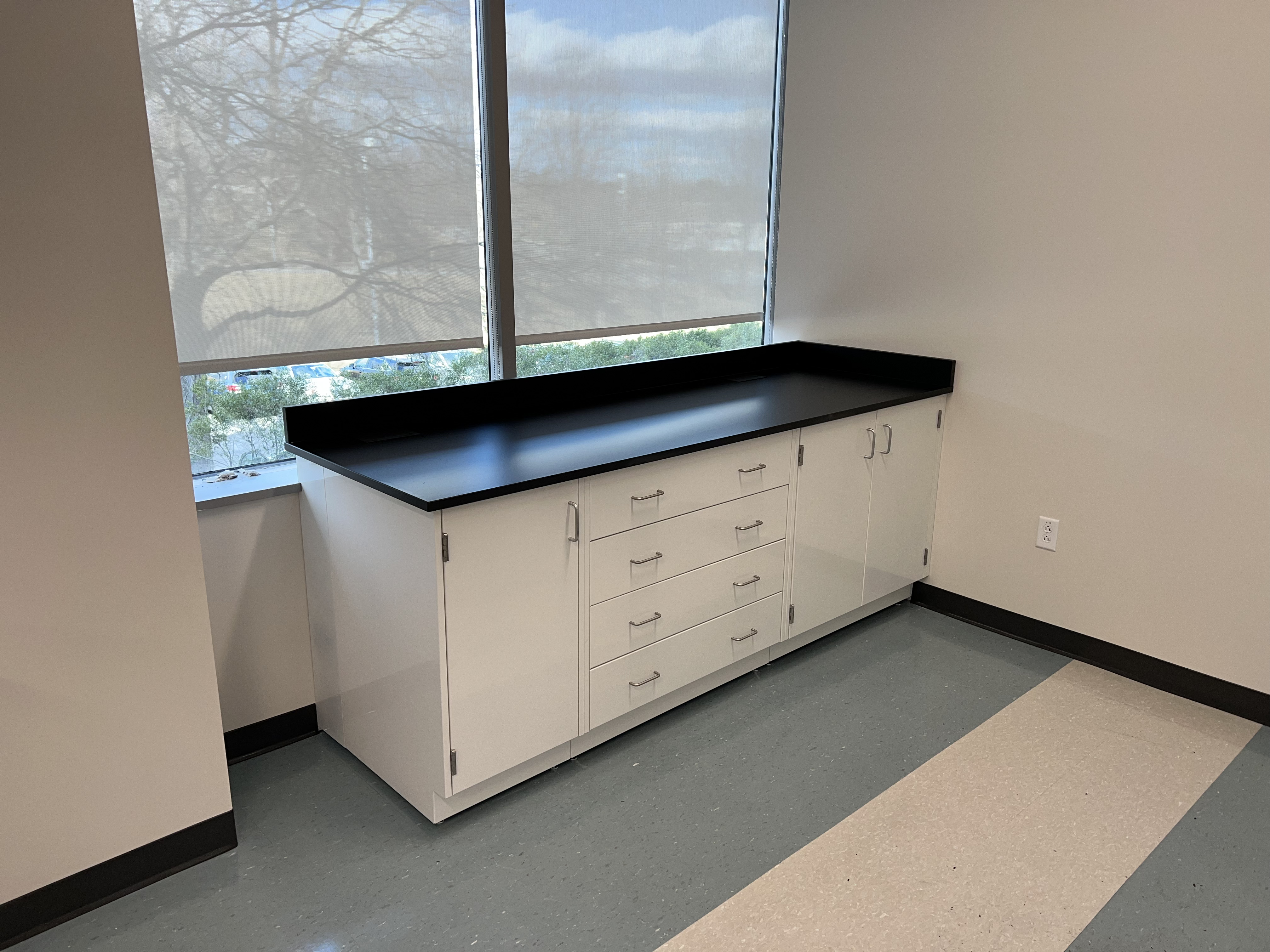
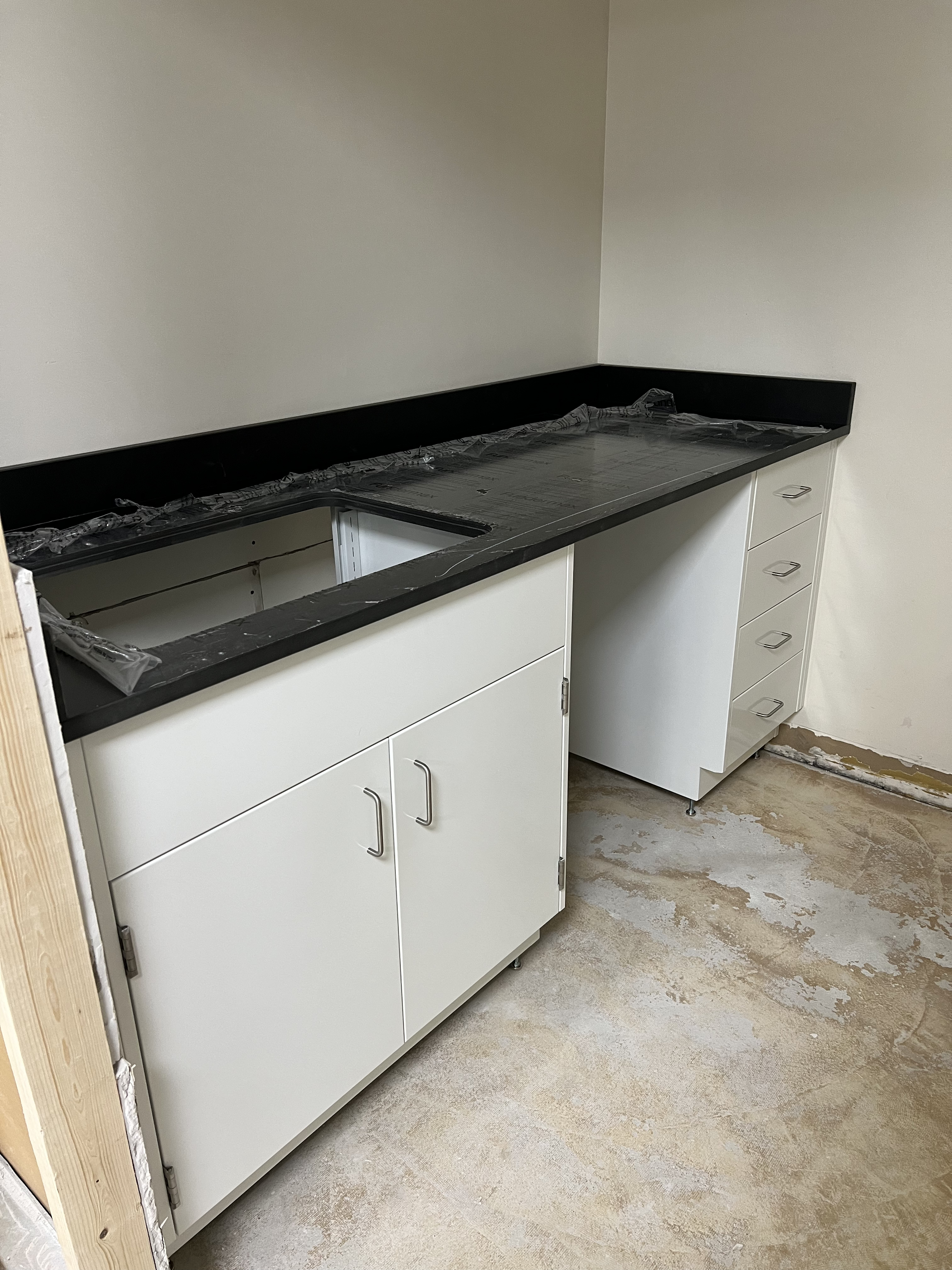
Phenolic Resin Laboratory Countertops
When your lab requires strong chemical resistance without the weight or cost of epoxy, phenolic resin is a proven solution.
LF Systems provides phenolic resin laboratory countertops designed for durability, chemical resistance, and long-term performance across a wide range of lab environments. These surfaces offer an ideal balance of performance, flexibility, and cost efficiency.
Phenolic countertops are engineered to withstand daily lab use, chemical exposure, and frequent cleaning, making them one of the most widely used lab surface materials.
Durable, Chemical-Resistant Surfaces for Versatile Lab Applications
Lightweight and Structurally Efficient
Unlike heavier materials like epoxy, phenolic resin offers a more flexible and lightweight alternative.
- Constructed from resin-impregnated layers compressed under heat and pressure
- Lighter weight allows for easier installation and integration
- Strong structural integrity with good impact and scratch resistance
- Suitable for both fixed casework and mobile lab furniture
This makes phenolic a strong option for adaptable lab environments and modular systems.
Heat and Moisture Resistance
Phenolic countertops are designed to handle a wide range of environmental conditions:
- Good heat resistance up to ~350°F (176°C)
- Excellent resistance to moisture and humidity
- Resistant to warping, swelling, and long-term degradation
These properties make phenolic suitable for wet labs, biological environments, and general chemical use.
Designed for Real-World Laboratory Use
Phenolic resin countertops are commonly used in:
- Pharmaceutical and biotech laboratories
- Research and development environments
- Clinical and healthcare labs
- Educational and teaching facilities
They are especially effective in:
- Multi-purpose laboratories
- Moderate chemical environments
- Labs requiring durability with flexibility and cost control