Adaptable Laboratory Casework
Adaptable Laboratory Casework
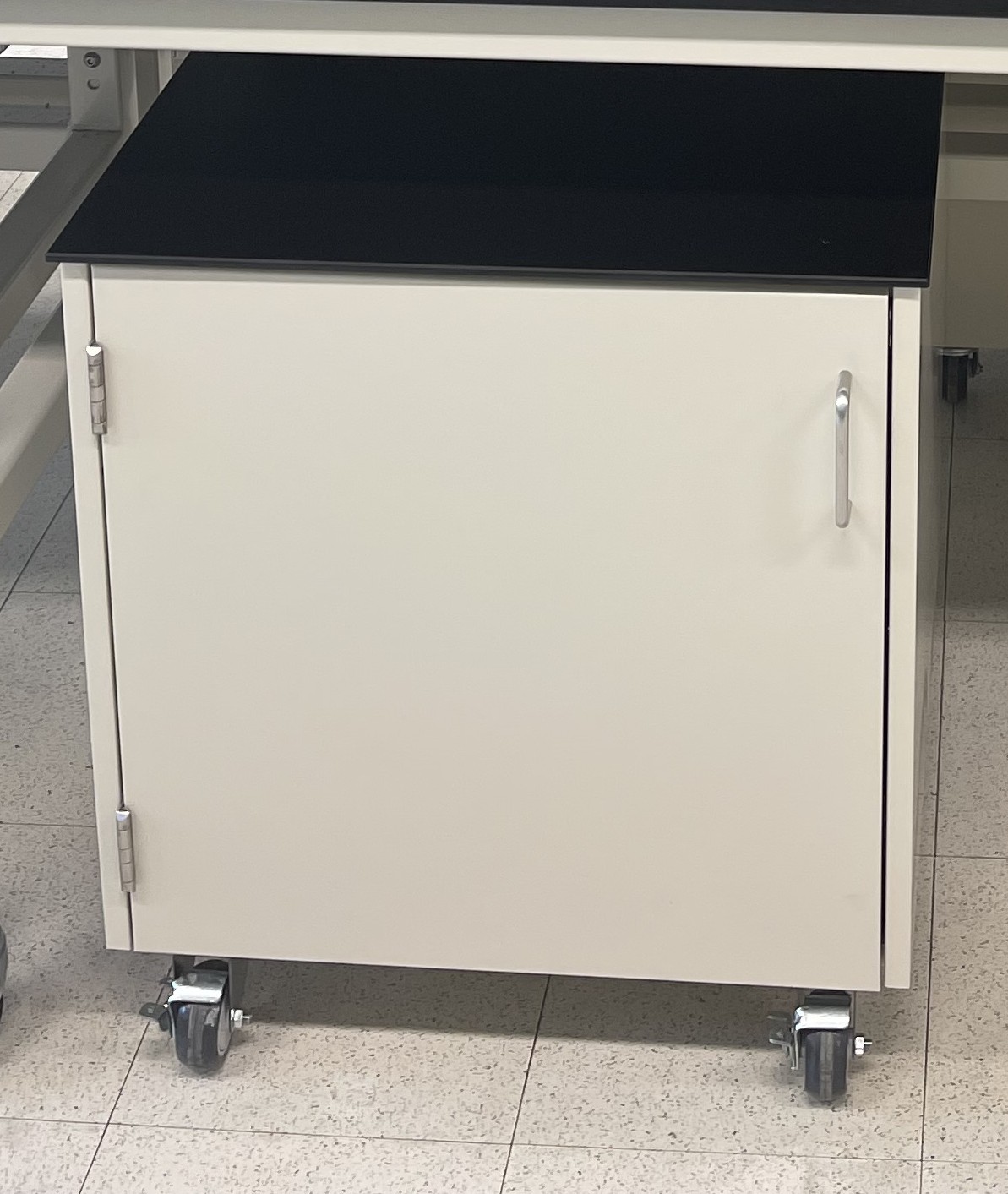
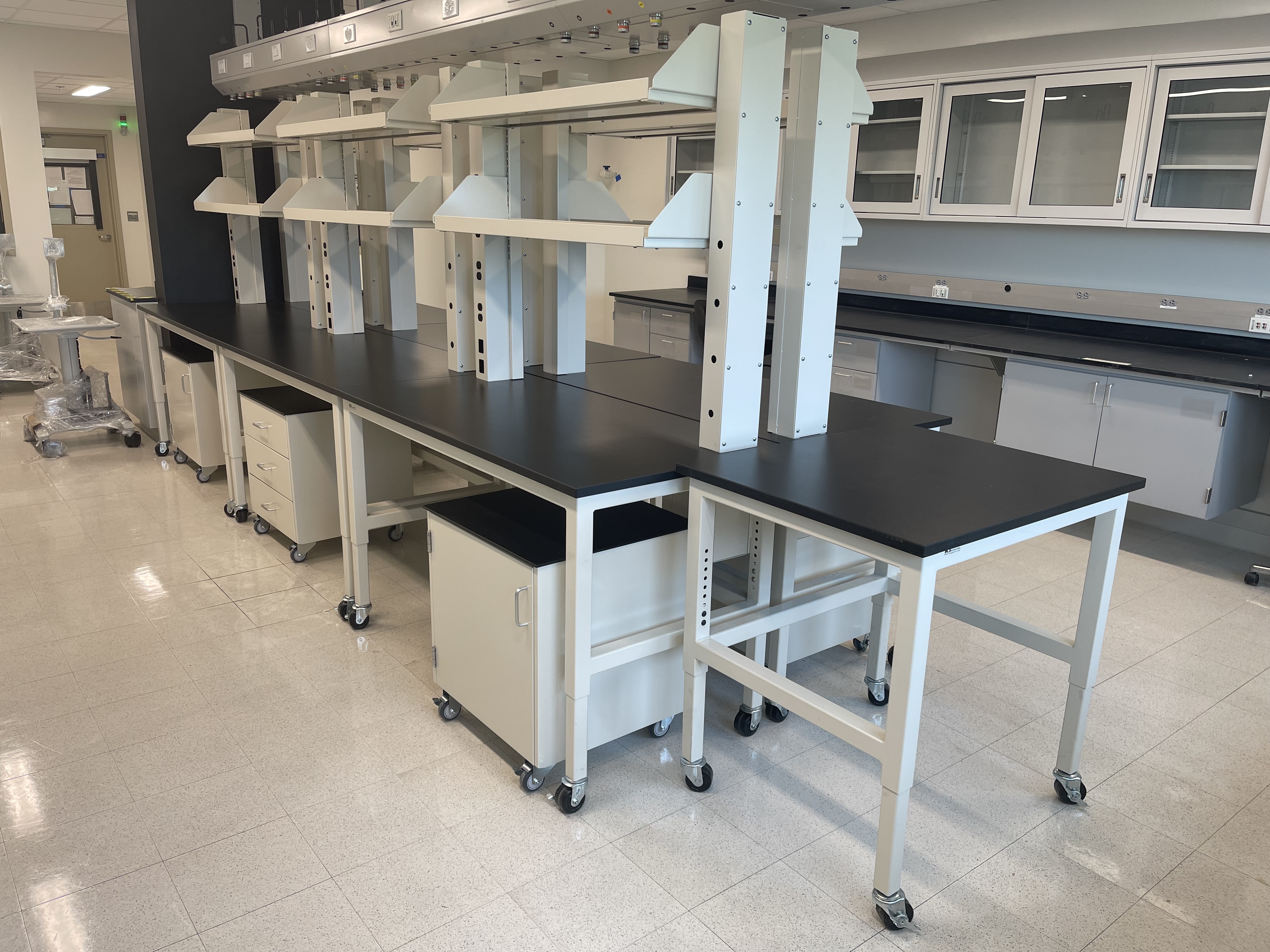
LF Systems provides adaptable laboratory casework solutions for labs that need storage, flexibility, and long-term layout adaptability. Unlike fully fixed base cabinets, adaptable casework can be configured as mobile cabinets on casters, suspended cabinets beneath table systems, or specialty storage components designed around the needs of the lab.
These systems can be supplied in painted steel, stainless steel, or other project-appropriate materials depending on the application, environment, durability requirements, and project specifications.
Mobile and Suspended Casework for Flexible Lab Layouts
Best used for research labs, pharmaceutical and biotech spaces, higher education labs, industrial testing areas, cleanable environments, and laboratories using adaptable table systems.
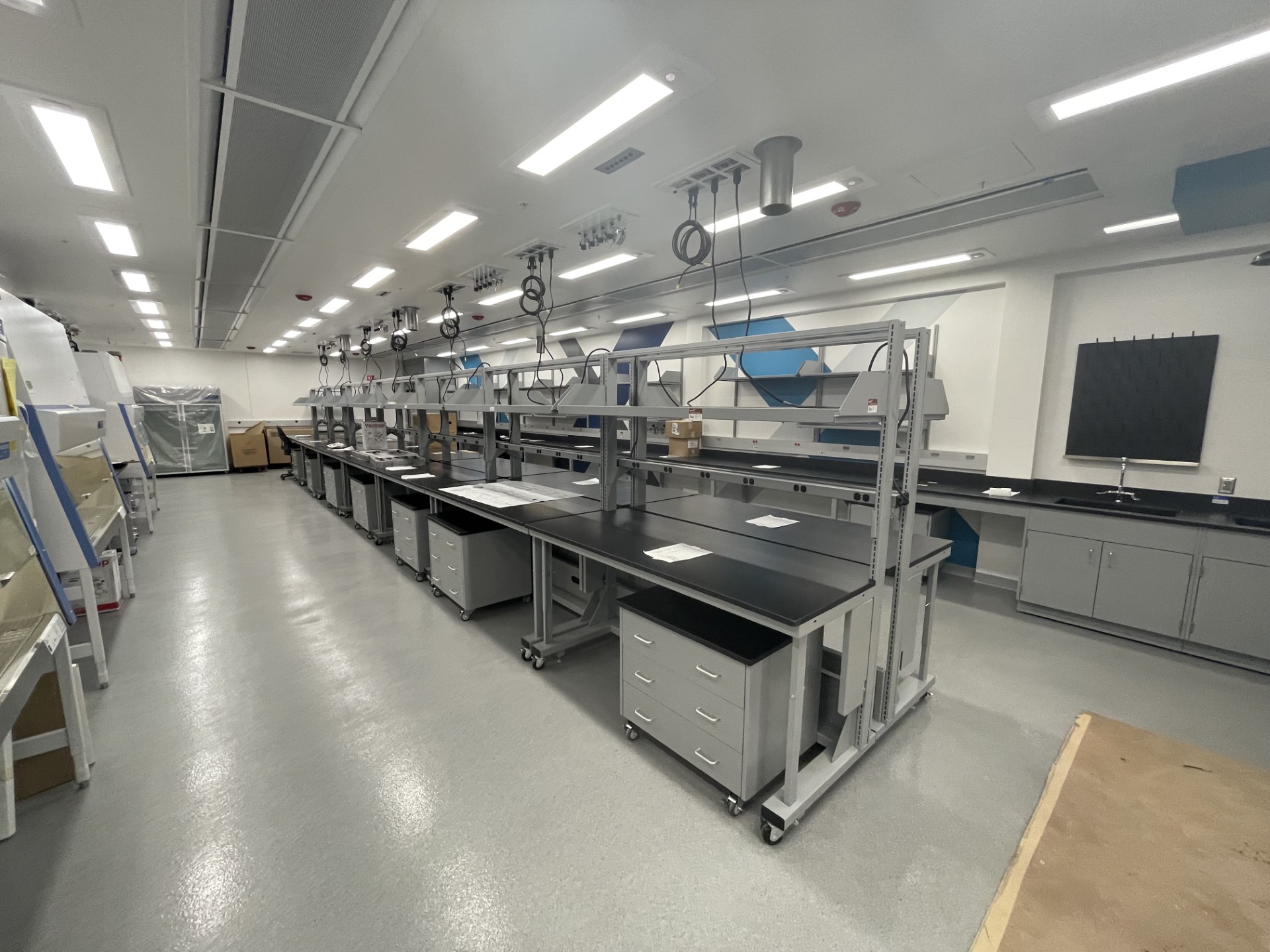
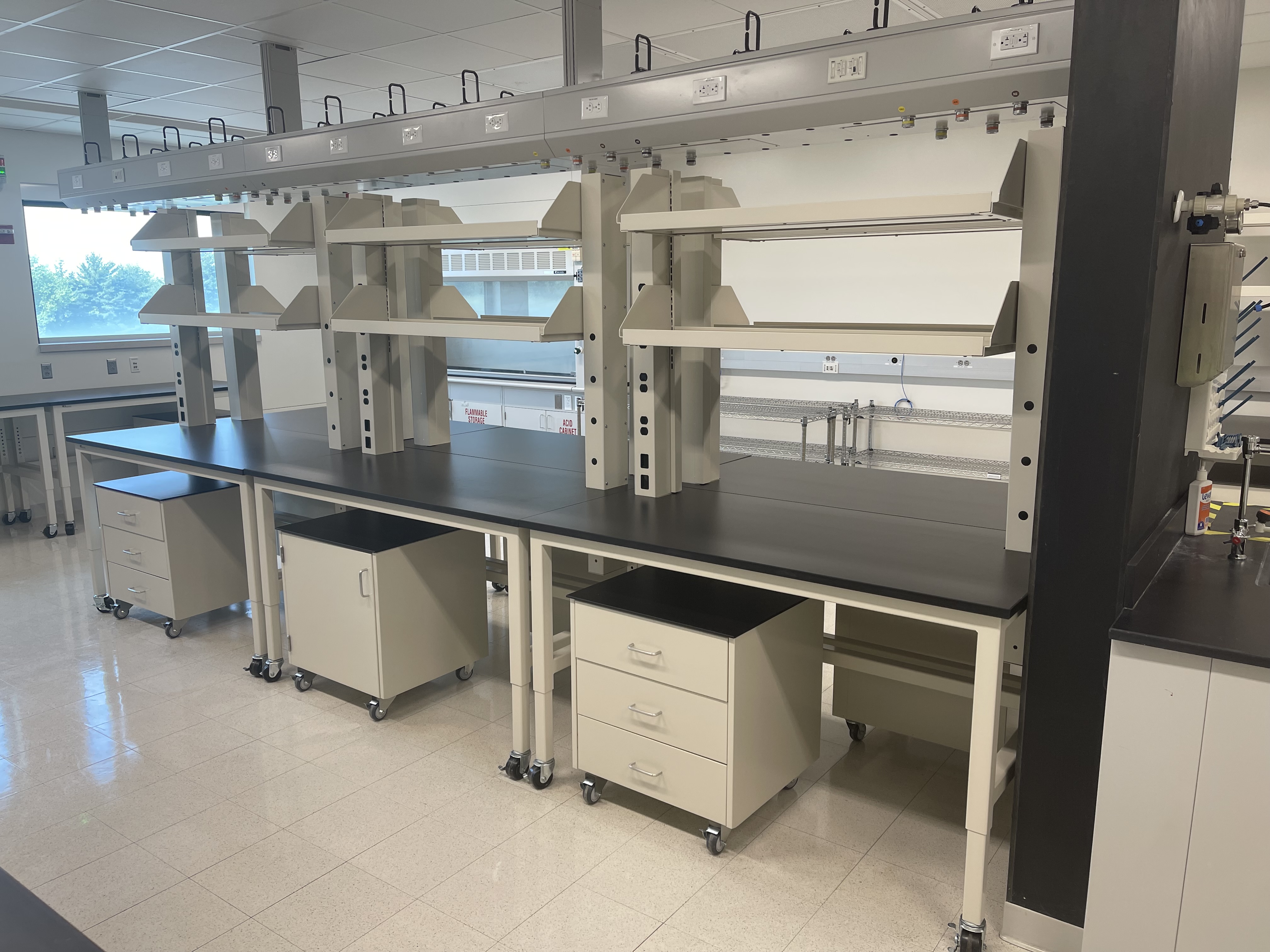
Adaptable casework gives labs more flexibility than traditional fixed cabinetry. Mobile cabinets can be moved, repositioned, or pulled out as workstations change, while suspended cabinets keep storage available under the work surface without permanently anchoring it to the floor.
This approach is especially useful in labs where research needs, equipment, staffing, cleanability requirements, or room layouts may change over time. Instead of locking every storage component into a fixed casework run, adaptable systems allow the lab to evolve while still keeping tools, supplies, and materials close to the point of use.
Suspended Laboratory Cabinets
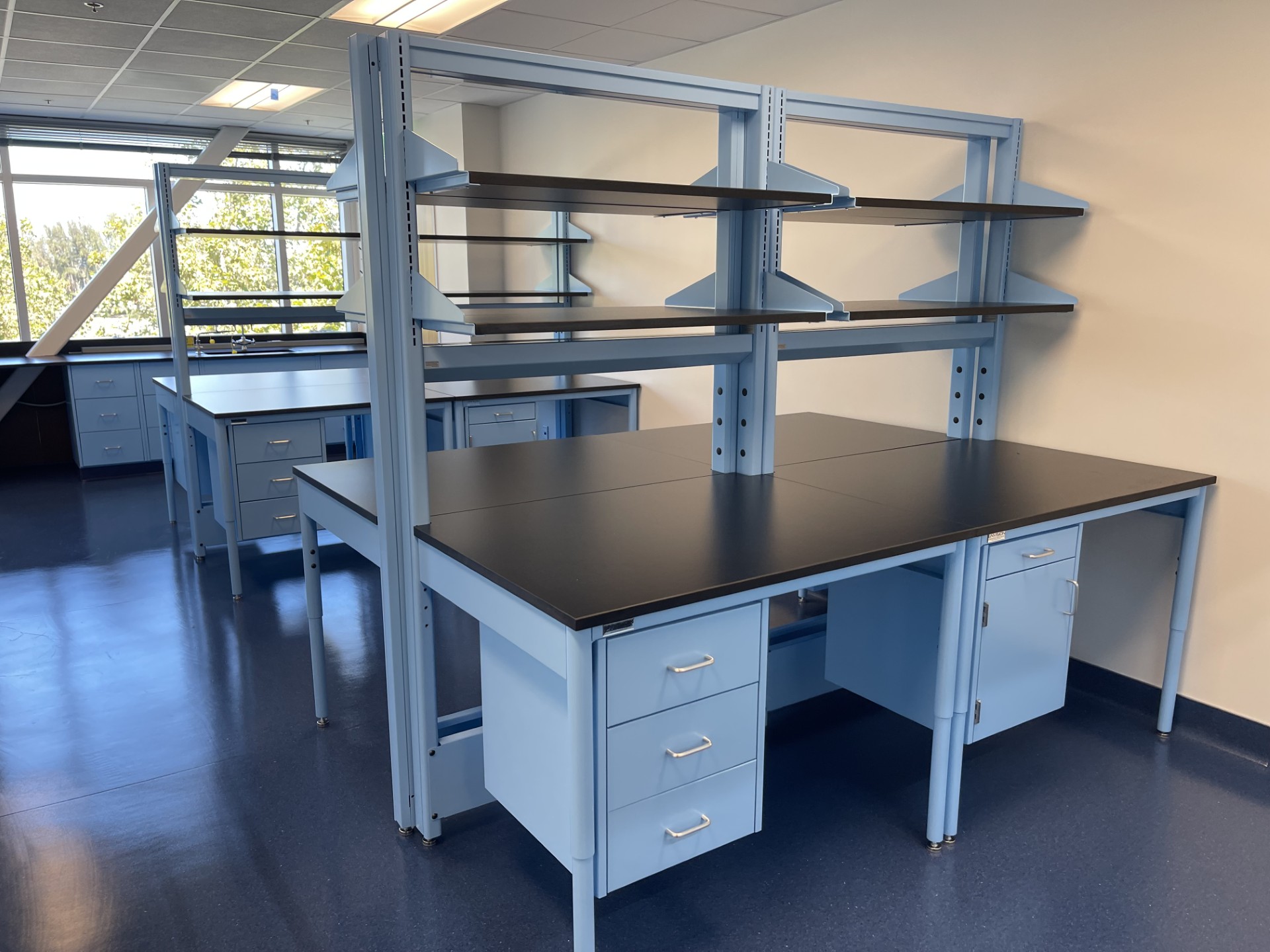
Suspended cabinets provide under-bench storage while keeping the floor area more open than traditional fixed base cabinets. This can support easier cleaning, improve visual openness, and maintain storage access without converting the workstation into a fully fixed casework run.
These cabinets are commonly paired with adaptable table systems where storage is needed directly below the work surface but the lab still needs flexibility. Suspended casework can include drawer cabinets, door cabinets, combination cabinets, and pencil drawers depending on the workstation layout.
Suspended cabinets are a practical option when a lab wants durable storage and a cleaner floor profile without committing every workstation to fixed base cabinetry.
Material and Configuration Options
Adaptable casework can be selected in painted steel, stainless steel, or other project-appropriate materials depending on the lab environment. Painted steel is commonly used for general research, teaching, pharmaceutical, and industrial lab spaces, while stainless steel may be selected for applications requiring higher cleanability, corrosion resistance, or more demanding sanitation requirements.
Configuration options may include mobile drawer cabinets, mobile door cabinets, mobile combination cabinets, suspended door cabinets, suspended drawer cabinets, suspended combination cabinets, suspended pencil drawers, finished backs, locks, pulls, casters, and specialty storage layouts.
Planning Considerations
Adaptable casework should be coordinated with the surrounding table systems, work surfaces, shelving, utilities, equipment clearances, aisle spacing, and cleaning requirements. Details such as cabinet height, caster clearance, drawer access, lock requirements, material selection, and whether storage should be movable or suspended can affect how well the final lab functions.
For labs using adaptable benches or modular table systems, storage should be planned as part of the workstation — not treated as an afterthought.