Polypropylene Products
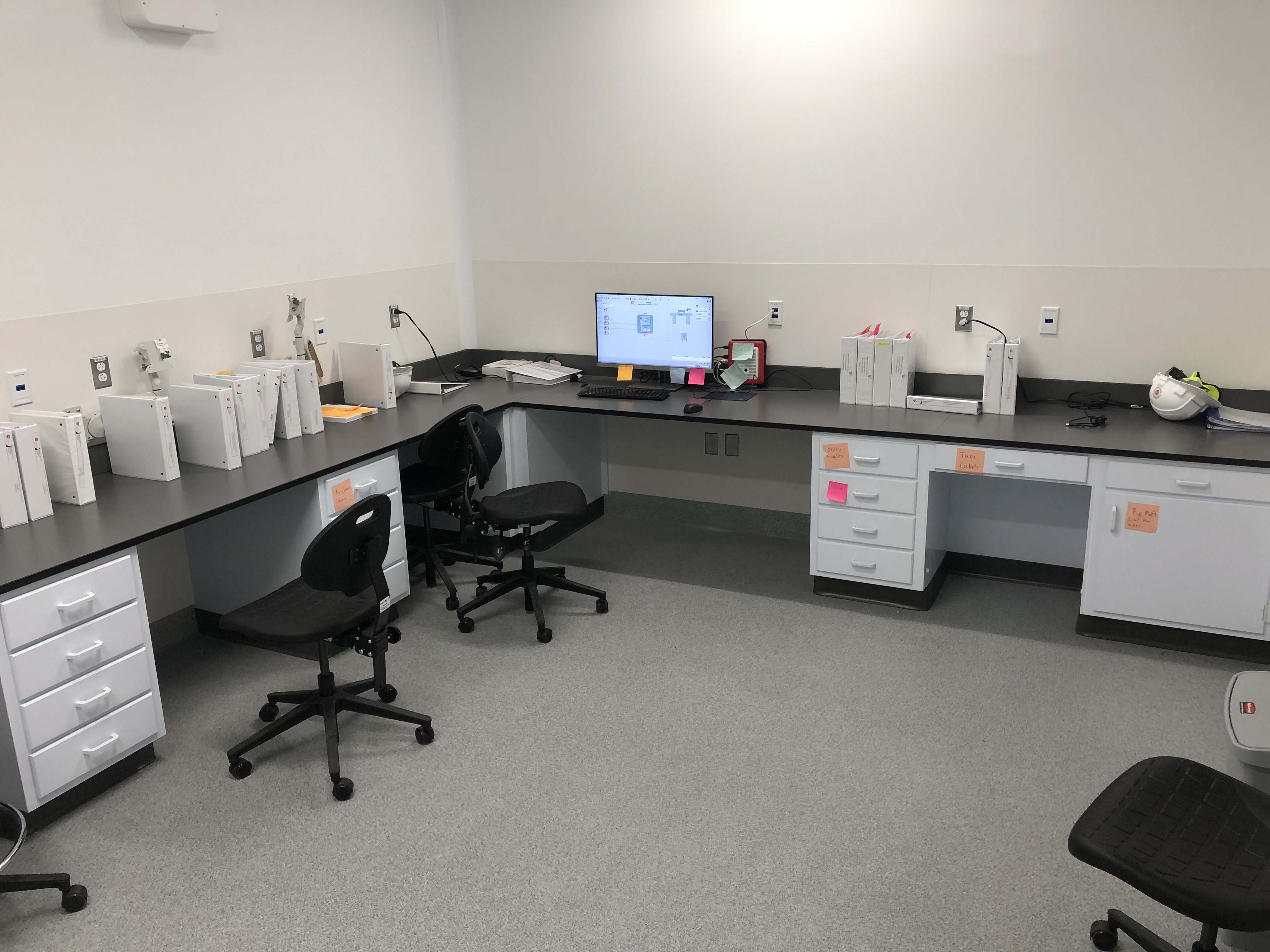
Polypropylene Products
LF Systems provides polypropylene laboratory products for environments where chemical resistance, corrosion control, and contamination reduction are critical. Polypropylene is commonly used in labs handling aggressive chemicals, corrosive vapors, acids, bases, and metal-sensitive testing applications.
For trace metal laboratories, polypropylene can be especially useful because it is a non-metallic material that helps reduce the risk of metal contamination from lab components, work areas, and utility systems. These products can support fume hood service manifolds, air control assemblies, valve and fixture systems, chemical handling areas, and other applications where material compatibility matters.
Chemical-Resistant Products for Trace Metal and Corrosive Lab Environments
Best used for trace metal labs, environmental testing labs, analytical chemistry spaces, corrosive chemical areas, fume hood service manifolds, and applications requiring non-metallic corrosion-resistant components.
Polypropylene products are selected when standard metal components may not be the right fit for the lab environment. In trace metal analysis, contamination control is a major concern, and even small amounts of unintended metal exposure can affect sensitive testing workflows.
Because polypropylene is non-metallic and resistant to many acids, bases, and corrosive chemicals, it can be a practical material choice for laboratories that need to limit corrosion, reduce contamination risk, and support cleaner chemical handling processes.
Trace Metal Lab Benefits
Trace metal laboratories often require careful control over every material used in the workspace. Casework, fixtures, airflow components, and service connections may all influence the testing environment if they introduce unwanted metallic particles or corrosion byproducts.
Polypropylene can help support trace metal workflows by providing a non-metallic, corrosion-resistant option for selected lab components. It is commonly considered for areas where acid digestion, sample preparation, environmental testing, or analytical chemistry work may create exposure to corrosive materials or require stricter contamination control.
For labs performing trace metal testing, polypropylene products can help reduce the chance of metal contribution from the built environment while supporting long-term chemical durability.
Air Control Systems and Manifolds
Polypropylene air control systems and manifolds help support laboratory ventilation and service connections in chemically demanding environments. These systems can be configured around fume hoods, valves, fixtures, utilities, and specific lab processes where corrosion resistance and material compatibility are important.
In trace metal or analytical labs, these components should be reviewed alongside the chemicals being used, the sensitivity of the testing, the fume hood design, and the building exhaust conditions.
Material Benefits
Polypropylene offers several advantages for corrosive and metal-sensitive lab environments. It is lightweight, durable, non-metallic, and resistant to many chemicals commonly used in laboratory settings.
For the right application, polypropylene can help reduce corrosion concerns, improve material compatibility, support cleanability, and limit potential metal contamination from selected lab components. This makes it useful in trace metal labs, environmental testing facilities, acid handling areas, and chemical preparation spaces.